
Blog, Heart Health
Posted By: Dr.Shikha Pradhan on 08 October, 2024
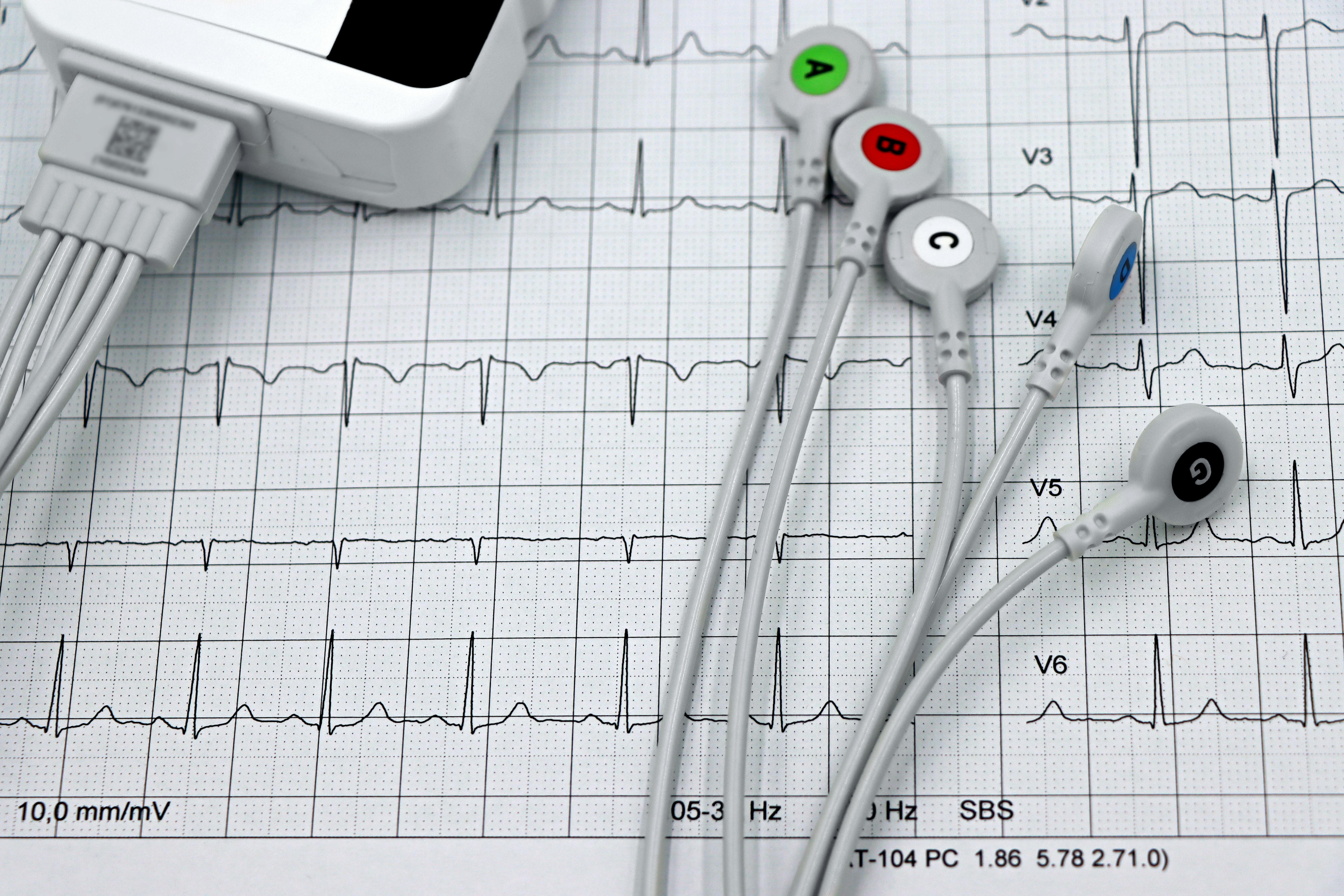
Recognizing the signs of cardiac pain can be crucial for timely medical intervention and potentially life-saving treatment. However, distinguishing cardiac pain from other types of pain can be challenging due to the variety of symptoms that may overlap. Here’s a guide to help you understand the differences and respond appropriately.
What is Cardiac Pain?
Cardiac pain, often referred to as angina, occurs when the heart muscle doesn't get enough oxygen-rich blood. This pain can be a symptom of coronary artery disease (CAD) or other heart-related issues, including heart attacks. Cardiac pain is typically caused by physical exertion, stress, or other activities that increase the heart's demand for oxygen.
Key Characteristics of Cardiac Pain
Location: Cardiac pain usually occurs in the chest, but it can also radiate to other areas. It might feel like a pressure or squeezing sensation in the center or left side of the chest. The pain can spread to the shoulders, arms (especially the left arm), back, neck, or jaw.
Quality: The pain is often described as a heaviness, tightness, or pressure. Some people report a feeling of fullness, burning, or squeezing. Unlike sharp, stabbing pains, cardiac pain tends to be more constant and persistent.
Duration: Cardiac pain typically lasts for a few minutes. If the pain is a heart attack, it might last longer and be more intense. It can also come and go with varying intensity.
Triggers: Physical exertion, emotional stress, cold weather, and large meals are common triggers for cardiac pain. Rest and medications like nitroglycerin can help alleviate the pain.
Associated Symptoms: Cardiac pain may be accompanied by other symptoms such as shortness of breath, sweating, nausea, dizziness, and a feeling of impending doom. These symptoms are key indicators that the pain may be heart-related.
Differentiating Cardiac Pain from Other Types of Pain
1. Musculoskeletal Pain: Pain from muscles, bones, or joints can mimic cardiac pain. However, musculoskeletal pain is often localized and can be reproduced by pressing on the affected area or moving in a certain way. It is usually sharp and well-defined, and rest or specific movements can alleviate or exacerbate it.
2. Gastrointestinal Pain: Pain from gastrointestinal issues like acid reflux or a hiatal hernia can also resemble cardiac pain. This pain is often associated with eating and may be accompanied by symptoms like heartburn, regurgitation, or a sour taste in the mouth. Gastrointestinal pain may be relieved by antacids.
3. Pulmonary Pain: Lung-related issues such as pleuritis, pneumonia, or pulmonary embolism can cause chest pain. This pain is often sharp and worsens with deep breaths or coughing. Pulmonary pain is typically accompanied by respiratory symptoms like coughing, shortness of breath, or a rapid heartbeat.
4. Anxiety or Panic Attacks: Anxiety and panic attacks can cause chest pain that mimics cardiac pain. This pain is often accompanied by a rapid heartbeat, sweating, dizziness, and a sense of impending doom. However, it is usually transient and resolves with relaxation techniques or anti-anxiety medications.
When to Seek Medical Help
It's important to seek medical help if you experience chest pain that:
Conclusion
Understanding the differences between cardiac pain and other types of pain can help you make informed decisions about seeking medical care. If in doubt, it's always best to err on the side of caution and seek professional medical advice. Remember, recognizing the signs early can make a significant difference in outcomes.
Stay informed, stay safe, and prioritize your heart health.